Introduction to EV Bike
Electric bikes, commonly known as EV bike or e-bikes, are transforming the way people travel. Combining traditional cycling with electric power, these bikes offer a smarter, cleaner, and more efficient mode of transportation. With rising fuel costs and increasing environmental concerns, EV moter bikes are becoming a popular choice for commuters, students, and even delivery services.
How EV Bike Work
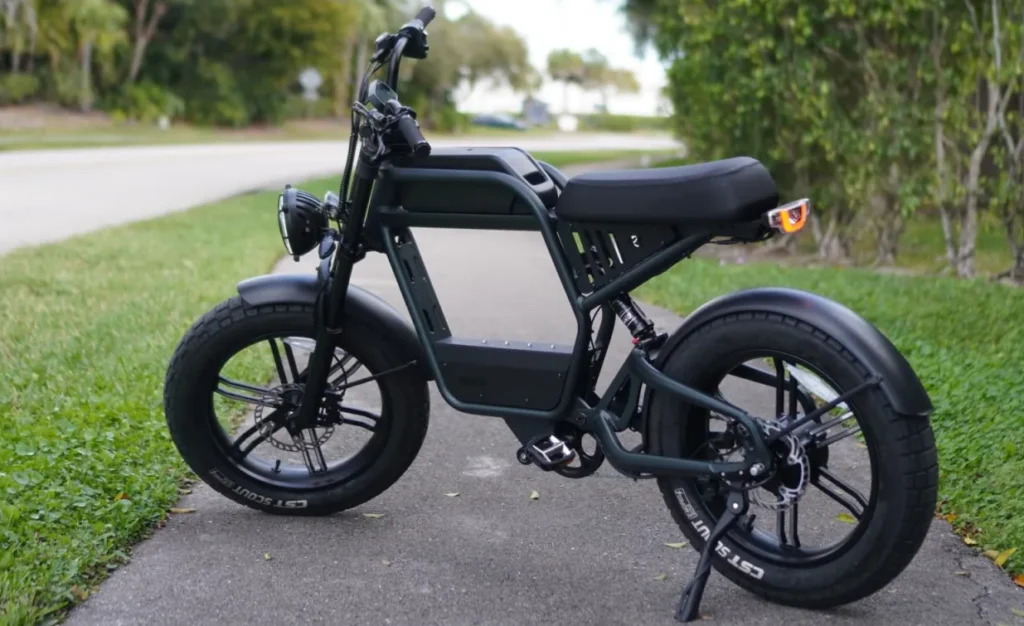
EV bike are equipped with an electric motor, a rechargeable battery, and a controller. The motor assists the rider while pedaling or, in some models, can power the bike entirely without pedaling. The battery is usually lithium-ion and can be charged using a standard electrical outlet. Depending on the model, EV electric bikes can travel between 30 to 100 kilometers on a single charge. Riders can also switch between manual and electric modes, making them highly flexible.
Benefits of EV Bike
One of the biggest advantages of EV bikes is their eco-friendliness. They produce zero emissions, helping reduce air pollution. Additionally, they are cost-effective since they require less maintenance and no fuel. electric bike are also convenient in heavy traffic, allowing riders to move quickly through congested areas. For health-conscious individuals, pedal-assist modes provide light exercise without excessive strain.
Cost and Affordability
While EV bikes may have a higher upfront cost compared to traditional bicycles, they are cheaper than motorcycles and cars in the long run. There are no fuel expenses, and electricity costs for charging are minimal. Many governments are also offering subsidies and incentives to promote electric vehicles, making electic moter bikes more affordable for the average consumer.
Types of EV Bikes
Electric bikes come in various types to suit different needs.
-
City E-Bikes
: Designed for daily commuting with comfort and efficiency.
- Mountain E-Bikes: Built for rough terrains and off-road adventures.
- Folding E-Bikes: Compact and portable, ideal for urban users with limited space.
- Cargo E-Bikes: Used for transporting goods and deliveries.
Each type caters to specific riders, ensuring that there is an evbike for everyone.
Challenges and Limitations
Despite their benefits, moter bikes do have some limitations. Battery life can be a concern, especially for long-distance travel. Charging infrastructure is still developing in many regions, making it less convenient in rural areas. Additionally, the initial purchase cost can be a barrier for some people. However, with advancing technology, these challenges are gradually being addressed.
Future of EV Bikes
The future of EV bikes looks promising. As technology improves, batteries are becoming more efficient and affordable. Governments and private companies are investing heavily in electric mobility, leading to better infrastructure and innovation. With increasing awareness about climate change, more people are expected to shift towards sustainable transport options like electric bikes.
Conclusion
EV bikes are not just a trend—they represent a shift towards a cleaner and smarter future. They offer a perfect balance between convenience, affordability, and environmental responsibility. As technology continues to evolve, moter bikes will likely become a common sight on roads worldwide, making transportation greener and more accessible for everyone.